

The e-commerce and accounting sectors are seen as targets for cyber threats to occur. To safeguard client-sensitive data, maintain customer trust and ensure secure business operations, organizations may need to look further than traditional cybersecurity systems.
One popular system, Exposure Assessment Platforms (EAPs), can help businesses safeguard operations in 2025 by avoiding vulnerabilities. Businesses like eCommerce and accounting firms can move away from traditional systems and look towards the digital future by engaging in EAPs to achieve safe, secure systems.
In this article, we will explore the purpose behind Exposure Assessment Platforms, how they play a role in both e-commerce and accounting businesses, some practices all businesses should follow, and the benefits Exposure Assessment Platforms offer towards businesses internationally.
This article is published as part of a sponsored collaboration.
What is the Definition of Exposure Assessment Platforms
Exposure Assessment Platforms (EAPs) offer solutions to identify and expose vulnerabilities and misconfigurations within an organization. They provide information regarding the security within the business to address any potential threats before the company is exploited.
Exposure Assessment Platforms are seen as reliable tools for ensuring that businesses can exceed their security operations and stay protected.
The Importance of Exposure Assessment Platforms in eCommerce Companies
For eCommerce businesses, the security of customer data and transactions is vital. One single breach can lead to businesses failing, client data being exposed and legal consequences, including the reputation of a company. But
Exposure Assessment Platforms offer benefits to keep eCommerce businesses safe whilst working with international customers. This type of robust security system offers many advantages and ensures businesses can place the protection of their operations at the forefront. Exposure Assessment Platforms help to:
- Vulnerability Detection
EAPs offer reliable technologies for detecting vulnerabilities in business operations and digital systems. From predictive analytics to anomaly detection, EAPs cover all sectors and ensure businesses can avoid vulnerabilities.
- Asset Management
EAPs provide visibility into all digital assets, including cloud and on-premise environments. These asset management systems are essential for investigating potential attacks and discovering where business improvements need to be made.
- Threat Intelligence
EAPs also offer real-time threat intelligence to investigate where vulnerabilities are more likely to occur and how they can occur. This provides the business with real-time information and ensures remediation before real attacks happen.
- Reporting and Insights:
EAPs offer support around visibility and reporting so teams can focus on urgent risks and ways to streamline security processes. This feature ensures businesses can make data-driven decisions and investigate specific resource allocations.
E-commerce businesses and accounting firms working with EAPs are shown to be relevant because eCommerce businesses work closely with client information, bookkeeping data, and payment details, which need to stay protected against online hackers. This would evidently be supported by EAPs finding potential vulnerabilities and looking to safeguard systems. In the unfortunate event of a security breach, knowing how to fix hacked computer systems quickly can help prevent further data loss and restore business operations safely.
Enabling Accounting Firms Security with Exposure Assessment Platforms

Within the accounting sector, safeguarding is important to ensure financial security and records are safe against cyber threats. Accounting firms work with a wide range of international clients and handle bank details, investments, and transactions, so the need for cybersecurity support is greater than ever. For instance, ensuring reliable and secure mobile data access, perhaps with an eSIM UAE for professionals coordinating with clients or managing operations from a global financial hub like Dubai, becomes a practical component of this comprehensive security approach. Such foundational elements, alongside specialized platforms like EAPs, contribute to a holistic security posture by:
- Regulatory Compliance
Regulations such as GDPR and HIPAA employ strict penalties for non-compliance, and EAPs help maintain compliance regulations within businesses and accounting firms. They ensure all digital assets follow the latest standards and address any deviations if needed to avoid penalties.
- Security Investments
EAPs help businesses secure their security investments by ensuring their cybersecurity budgets are allocated to the areas with the highest impact. This ensures business assets, client information and investments stay secure with the right procedures. Alongside EAPs, eCommerce and accounting teams that rely on payment gateways, tax APIs, and third-party integrations should use a secrets management system to securely store and rotate the credentials powering those connections.
- Risk Management
Exposure Assessment Platforms help identify vulnerabilities within accounting firm systems, ensuring security systems are secured before online attackers exploit them. Thus, EAPs help enable a proactive approach to risk management.
As you can see, EAPs are needed within accounting businesses and services to protect and secure client information, especially when dealing with assets or investments. EAPs and accounting work together more than ever to safeguard business operations and client-sensitive data. Beyond EAPs, securing endpoints used by eCommerce and accounting staff is critical. Pair your platform with automated image‑based backup, anti‑ransomware, and a personal cyber protection and identity guard suite to protect laptops and mobile devices, speed incident recovery, and reduce account‑takeover risk for payroll, banking, and vendor portals. This layered approach helps keep sensitive client records and financial workflows resilient even when individual devices are targeted.
The Benefits of Implementing Exposure Assessment Platforms with All Businesses:
Adding Exposure Assessment Platforms to current businesses and systems offers a variety of benefits when deployed with cybersecurity strategies such as unified sase, which combine networking and security capabilities to protect distributed systems. Here are our top three benefits of implementing Exposure Assessment Platforms:
- Proactive Management Control: EAPs help businesses take a proactive risk-driven approach to reducing risks or vulnerabilities. They help structure teams that investigate business operations and work to reduce the likelihood of cyberattacks.
- Increased Efficiency: By providing data insights and information, EAPs can offer operational efficiency. Security teams can look to prioritize exposures, ensure reduced response time, and prevent security breaches.
- Mitigation: Exposure Assessment Platforms can also focus on looking into new vulnerabilities as this can pose a significant threat to business operations. This approach ensures that remediation efforts are resolved and directed when most needed.
As shown, there are many advantages to businesses looking to implement Exposure Assessment Platforms into their operations and ensure a reduced risk of vulnerabilities. Businesses who are ready to use Exposure Assessment Platforms will see the advantages of how successful these new digital tools are in helping operations succeed securely and work towards a cyber threat-free work environment.
How Do We Implement Exposure Assessment Platforms in eCommerce and Accounting?
For eCommerce and accounting firms, implementing EAPs the right way will ensure there is a reduced risk of cyber threats and that businesses can work towards solving any vulnerabilities. Here are six simple steps of how eCommerce and accounting businesses can implement Exposure Assessment Platforms:
- Inventory: Ensure you compile a list of the digital assets, including hardware, software, and data repositories, that require EAPs.
- Monitoring: Implement the EAP to ensure it monitors the assets for vulnerabilities and misconfigurations.
- Assessment: Evaluate the vulnerabilities within the organization and consider how they may impact business operations due to their potential impact.
- Prioritization: Use the EAPs for risk prioritization in order to focus on the most critical vulnerabilities and ways to reduce any risks.
- Remediation: You can now implement the fixes for the potential vulnerabilities such as patching software and reconfiguration of systems to reduce any future risks.
- Reviewing: Use the EAPs reporting system to document any vulnerabilities within the business operations and regularly review the security posture to identify areas for improvement.
As you can see, implementing Exposure Assessment Platforms can be straightforward and offers a chance for business operations to be reviewed in order to reduce any future risks or vulnerabilities. By following these steps and practices, businesses can thrive in the future without worrying about cyber threats online.
Challenges and Considerations with Exposure Assessment Platforms

While Exposure Assessment Platforms offer a variety of benefits, organizations must be aware of the challenges and considerations when implementing Exposure Assessment Platforms in order to understand the purpose behind these new security systems and to understand ways in which they can implement these tools:
- Integration: It is crucial to ensure that EAPs integrate well with current IT systems, and effective monitoring is needed to ensure there are no risks or issues with system combining.
- Allocation: Adequate resources and budgets should be allocated and maintained when using EAP.
- Continuous Improvement: With cyber threats continuing to evolve, it’s important for organizations to have their security systems in place and regularly updated to reduce any risks of threats and new vulnerabilities occurring.
It’s important to understand that with any new security system, there will be challenges or considerations to be aware of regardless of which sector or industry a business is in. However, regulating, maintaining, and updating systems would ensure that business operations stay protected and safe against any new threats.
What Is EcomBalance?
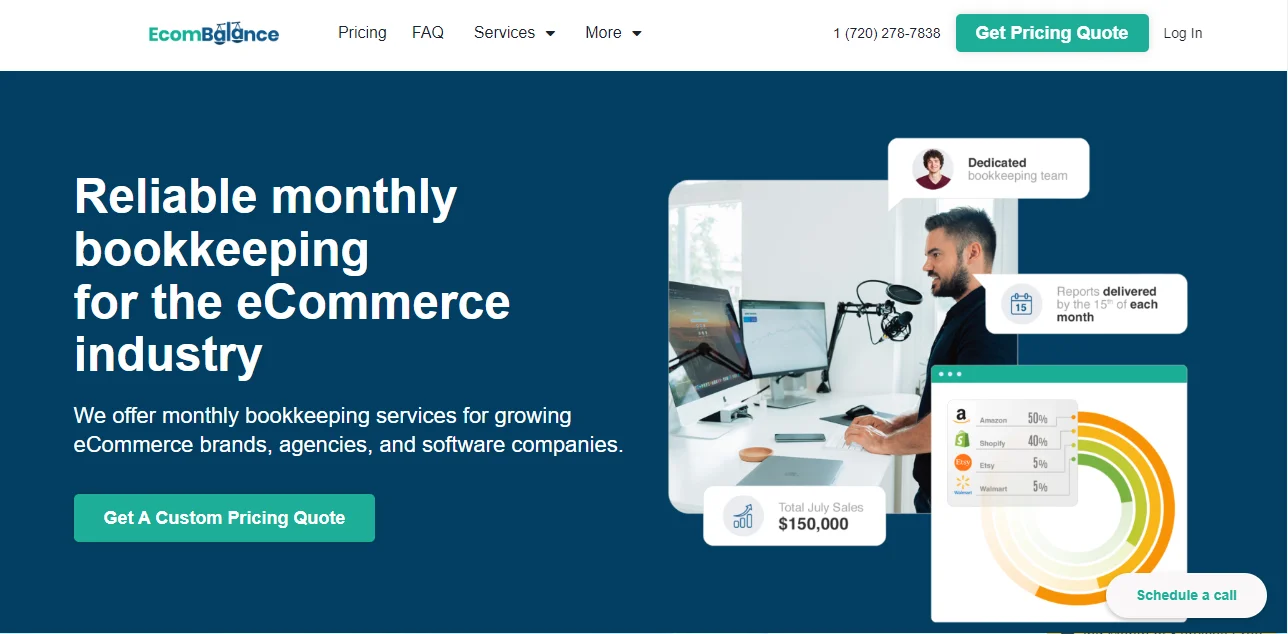
EcomBalance is a monthly bookkeeping service specialized for eCommerce companies selling on Amazon, Shopify, eBay, Etsy, WooCommerce, & other eCommerce channels.
We take monthly bookkeeping off your plate and deliver you your financial statements by the 15th or 20th of each month.
You’ll have your Profit and Loss Statement, Balance Sheet, and Cash Flow Statement ready for analysis each month so you and your business partners can make better business decisions.
Interested in learning more? Schedule a call with our CEO, Nathan Hirsch.
And here’s some free resources:
- Monthly Finance Meeting Agenda
- 9 Steps to Master Your Ecommerce Bookkeeping Checklist
- The Ultimate Guide on Finding an Ecommerce Virtual Bookkeeping Service
- What Is a Profit and Loss Statement?
- How to Read & Interpret a Cash Flow Statement
- How to Read a Balance Sheet & Truly Understand It
Conclusion: Exposure Assessment Platforms for eCommerce and Accounting Companies
Incorporating Exposure Assessment Platforms into your security systems is ideal for e-commerce and accounting businesses in 2025. These proactive security approaches will help identify and address software vulnerabilities and stay ahead of potential threats.
Exposure Assessment Platforms help businesses have a secure environment with safe customer data and business operations running threat free. In addition, eCommerce and accounting firms learn what effective security measures look like by exploring the role of cybersecurity systems,.
Staying ahead of cyberattacks is important, especially with the increase of technology across different sectors. Using Exposure Assessment Platforms will help safeguard eCommerce and accounting companies.
Leverage Exposure Assessment Platforms and look forward to a chance to succeed in 2025 with cyber protection and security.