

AI-generated image
Finding an interesting ad is easy — deciding whether the product behind it belongs in your store takes more work. The best ad spy tools for dropshipping help you answer a specific question: what to sell, which creative angles to test, how long a competitor has been running an ad, or where to source the product.
A long-running ad is worth a closer look, but it doesn’t prove the advertiser is making money. It may be a test, an awareness campaign or a retargeting ad. The dates a spy tool shows also depend on when it found the campaign. Check the supplier’s costs, delivery times and your own likely margins before committing money.
These seven ad spy tools cover different parts of that job. Minea brings ads, products and shops together. AutoDS adds store operations. AdSpy and PiPiADS suit more focused ad research, while BigSpy covers more networks. The free Meta and TikTok libraries are good places to start. This is an unranked shortlist, compared on research features, channel coverage, what happens after you find a product, and cost.
Start with the library for the channel you use most. Then work out what’s missing. You might need comment search, more history or a way to investigate the shop behind an ad. If sourcing and listing products are also slowing you down, assess those tools separately from the ad search itself.
Quick Picks: Ad Spy Tools by Use Case
| Tool | Platforms | Cost / billing | Best for |
|---|---|---|---|
| Minea | Meta; verify other channels by plan | $49/month Starter | Product and shop research |
| AutoDS | Facebook, Instagram, TikTok | Base plan + paid research add-on | Research alongside store operations |
| AdSpy | Facebook, Instagram | $149/month | Meta longevity and comment search |
| PiPiADS | TikTok and Facebook | Credit plans; limited free trial | TikTok and Shop research |
| BigSpy | Coverage varies by tier | Free; Starter $69/month | Research across more networks |
| Meta Ad Library | Facebook, Instagram | Free | First-party Meta ad checks |
| TikTok Creative Center | TikTok | Free access | TikTok creative inspiration |
Minea: Product and Shop Research
Minea puts ad discovery, products and shop research in one place. Its pricing page lists Starter at $49 per month, Premium at $99 and Business at $199 on monthly billing. Choose a tier around the features and analysis limits you expect to use each month.
Minea makes sense when you want to investigate the product and shop behind an ad, rather than save the creative and stop there — it’s aimed at sellers building a shortlist of products to investigate before paying for a campaign.
Minea’s site describes ad activity and spend filters, shop tracking and supplier finding. That gives you a route from an appealing ad to a possible supplier. The numbers still need context: activity and spend don’t reveal a competitor’s net margin. If filtering by the length of an ad’s run is essential to you, confirm that specific feature before subscribing.
Give it a practical task: take an ad from your niche, find the product and check whether the supplier and shipping details are enough to price it for your store. That tells you more about its fit than browsing a page of popular products.
Check channel access carefully. Minea’s homepage and pricing page describe availability differently, including older “coming soon” wording. If you need TikTok or Pinterest, confirm that your chosen tier includes it rather than assuming every channel mentioned elsewhere on the site comes with Starter.
AutoDS: Research Alongside Store Operations
AutoDS Ads Spy covers Facebook, Instagram and TikTok. The wider platform also has tools for importing products, monitoring price and stock, and fulfillment. Base prices depend on the sales channel and billing option. Ads Spy needs a separate paid Product Finding Hub add-on.
AutoDS is worth looking at when ad research is only part of the job. You also need to find a supplier, prepare a listing and manage orders. Having those tools in one platform may be useful, especially if you already use it for your store — the practical question is how well those steps connect for the products and suppliers you actually use.
The Product Finding Hub documentation lists sorting by Live Days and Recently Seen, plus engagement filters and platform selection. That gives you a way to look at longevity alongside other signals. Once you find something promising, check the supplier terms and your test budget; the ad’s history won’t tell you what your own results will be.
There is a step between finding an ad and listing its product. The same help page says you cannot upload products directly from Ads Spy. You first need to find a match from a supported supplier or the Marketplace, so allow for that sourcing work.
Also budget for the separately billed Product Finding Hub, which has no trial. Its public help page does not list a price; check Plans & Add-ons alongside your base subscription. The same documentation says TikTok-sourced Trending Products need manual order handling.
AdSpy: Meta Longevity and Comment Search
AdSpy costs $149 a month and focuses on Facebook and Instagram. You can search by when an ad was last seen, find the longest-running ads and search keywords in comments. Those features make it a useful option when you want to study campaign history and buyer reactions in detail.
Comments can help you spot questions about sizing, delivery or how a product works. Those questions can improve your next creative brief or give you something to ask your own customers. Be selective about what you take from them: threads can contain spam, non-buyers and experiences that don’t represent the wider market.
AdSpy focuses on Meta, so you’ll need something else for TikTok research or supplier operations. The monthly fee is easier to assess when you know how often you’ll use it. Check that it covers advertisers in your niche and consider whether its history and comment searches would change what you put into your next campaign.

AI-generated image
PiPiADS: TikTok and Shop Research
PiPiADS covers TikTok and Facebook ads, with research views for products, stores and TikTok Shop. Its pricing page lists credit-based plans and a limited free trial with 500 credits. That trial does not include ad details, so check what you can access as well as the billing option before subscribing.
PiPiADS brings the ad, the product and the advertiser into the same research process. That’s useful for TikTok-led sellers who need to go beyond finding an interesting video — you can use it to investigate an offer before turning it into a brief for your own product.
Its published features include ad duration analysis, advertiser monitoring and store research. Look at the offer and landing page behind an ad as well as its run length. Patterns across several relevant creatives give you more to work with than one campaign that has stayed visible for a long time.
Keep Shop sales and ad engagement separate in your notes. They answer different questions. Check the market each metric covers and whether the figure is an estimate before using it to decide what to test.
The main cost consideration is how research uses credits. Think about how many detailed records you’ll open in a normal session, not just the headline allowance. The limited trial won’t show every paid feature, so decide what you need to check and whether you can do that before paying.
BigSpy: Broader Network Research
BigSpy has free Facebook research and a paid Starter plan at $69 a month. Starter also works out at $49 a month if you pay $588 for the year upfront. The lower rate comes with an annual commitment, so compare it with other annual prices.
BigSpy is an option when your research regularly takes you beyond Meta. It lets you compare wider coverage with the cost of paying for separate tools.
Start with the networks your customers use — a long platform list adds little if most of those channels never make it into your campaigns. The plan you choose matters here: Starter focuses on Facebook and Instagram, Growth adds networks including TikTok, Google Ads and YouTube, and Pinterest is listed on Ultimate. The free tier is therefore a way to try Facebook research, rather than a free version of the full network offering.
Write down the channels you need before comparing plans, and check searches, downloads and tracking capacity alongside channel access — BigSpy also sets usage limits by tier. The entry plan may cover the right networks but still fall short of how much research your team wants to do.
Meta Ad Library: First-Party Ad Checks
Meta Ad Library is a free place to check ads on Meta platforms. Meta describes searching by keyword or Page, so you can look up a known competitor or explore the language advertisers use around a product.
Look at the offer, the creative and the page an ad sends people to. Note what you would test differently in your own campaign. The library won’t show you the advertiser’s profit and loss, but it can help you work out whether you need paid ad spy tools at all. Pay for a specific gap you can identify, such as a search feature or a more convenient research process.
TikTok Creative Center: Creative Inspiration
TikTok Creative Center is a useful first stop when you need ideas for hooks, pacing and product demonstrations. Explore Top Ads before deciding whether you need a paid TikTok research subscription.
TikTok’s Top Ads guide describes filters for region, industry, campaign objective, likes and time frame, along with performance-based sorting. Use those to find examples close to the market and campaign you’re planning. As you watch, focus on how the video introduces the problem, shows the product and makes its offer.
TikTok says that Top Ads meet performance thresholds and require advertiser authorization to appear. You’re looking at a selected collection, rather than a complete competitor archive. Take useful lessons from the examples, then adapt them to your own product and audience.
The dashboard help page also describes second-by-second relative performance graphs and saving favorites to collections. Log in to see more than the small selection available to logged-out visitors.
Keep the time filters in perspective. A selected date range doesn’t establish that an advertiser spent continuously throughout it. These examples can help with creative decisions, but they won’t tell you whether a product will sell profitably in your store or reveal a competitor’s full advertising activity.
How We Compared These Ad Spy Tools for Dropshipping
The features and prices here were checked against official product pages and documentation on 25 October 2026. This is a comparison of published capabilities, not a hands-on performance test. The shortlist is the two free first-party ad libraries plus paid tools whose pricing and feature claims are published openly enough to verify against the vendor’s own pages; tools we could not check that way did not make the cut. We have not ranked the tools by database size: the useful question is whether they cover the advertisers, markets and products you need.
Price comparisons also need a little care. Monthly subscriptions and annual commitments are labeled separately. For AutoDS, check the base plan and Product Finding Hub together in Plans & Add-ons to get the full cost. Promotions, taxes and account-specific terms may change the amount at checkout.
Use the same four questions when trying any of these ad spy tools: can it answer your research questions, does it cover your channels, does it help with the next step, and is the cost justified? An ad archive, a store platform and a free creative library can all be useful without being interchangeable.
Choose the Tool that Fixes your Next Problem
Before buying a subscription, write down one task it needs to make easier. Run that task through the free libraries first, then use the same brief to assess paid options. Find relevant ads, record what you learned and check what still needs work before you can test the product. If a tool fills that gap, you have a reason to pay for it. If it only gives you more ads to scroll through, keep looking.
Treat ad spy tools for dropshipping as part of your product-testing budget, not a separate software line. If a $49 subscription helps you avoid even one failed $200 product test, it has covered itself several times over; if your combined research and ad spend on a product outruns the margin that product can return, no feature list justifies it. When you review your books each month, look at research subscriptions and test ad spend together — that total, set against realized margin, tells you whether your product research is actually paying for itself.
What Is EcomBalance?
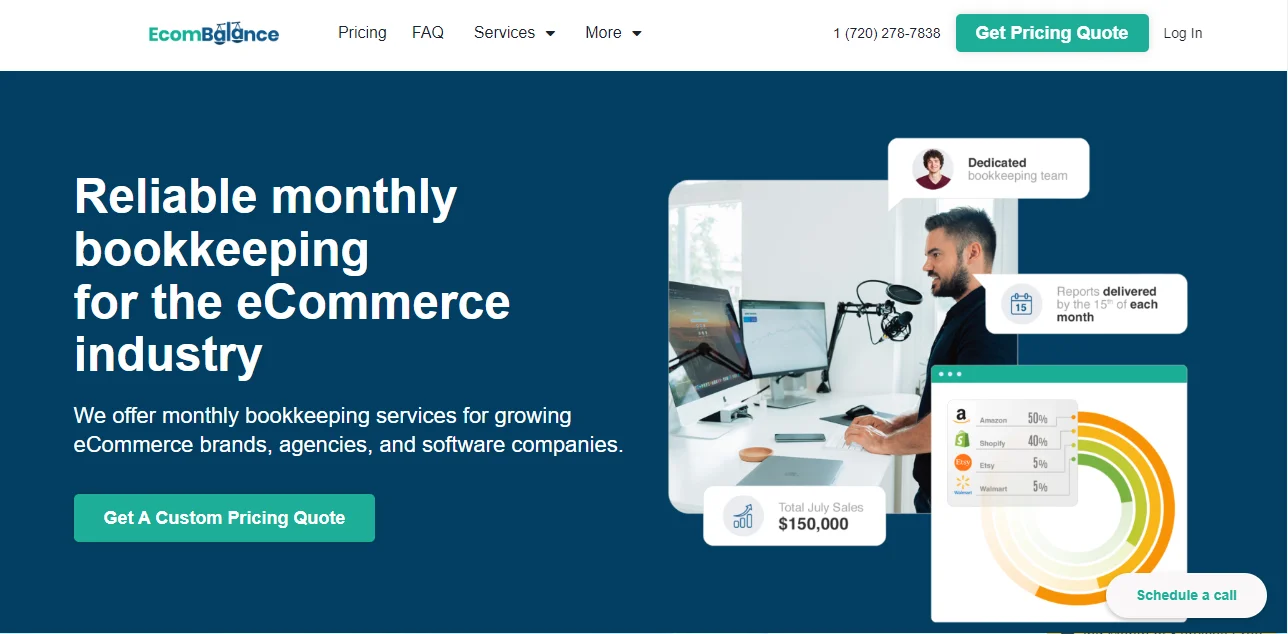
EcomBalance is a monthly bookkeeping service specialized for eCommerce companies selling on Amazon, Shopify, eBay, Etsy, WooCommerce, & other eCommerce channels.
We take monthly bookkeeping off your plate and deliver you your financial statements by the 15th or 20th of each month.
You’ll have your Profit and Loss Statement, Balance Sheet, and Cash Flow Statement ready for analysis each month so you and your business partners can make better business decisions.
Interested in learning more? Schedule a call with our CEO, Nathan Hirsch.
And here’s some free resources:
- Monthly Finance Meeting Agenda
- 9 Steps to Master Your Ecommerce Bookkeeping Checklist
- The Ultimate Guide on Finding an Ecommerce Virtual Bookkeeping Service
- What Is a Profit and Loss Statement?
- How to Read & Interpret a Cash Flow Statement
- How to Read a Balance Sheet & Truly Understand It
Huge thanks to AutoDS for collaborating on this post!